Vordingborg Municipality

Vordingborg Municipality is located in south-eastern Denmark and comprises parts of Zealand, Møn and several smaller islands in the southern Baltic Sea. The municipality combines coastal landscapes, rural areas and small towns, with Vordingborg as the administrative centre and Stege and Præstø as key local hubs.

The area is closely connected to nature and cultural heritage and plays a central role in the Møn UNESCO Biosphere Reserve. Key economic activities include public services, agriculture, tourism and local business, with tourism strongly linked to the municipality’s natural and scenic qualities.
Ecological Characteristics

The landscape of Vordingborg Municipality is shaped by glacial and post-glacial processes and includes coastlines, wetlands, forests, grasslands and chalk cliffs. The long and varied coastline features fjords, lagoons and open shores, supporting diverse habitats.

The surrounding marine environment ranges from brackish to more saline waters, creating conditions for rich biodiversity. The municipality includes internationally recognised natural areas such as Møns Klint and parts of the Møn UNESCO Biosphere Reserve, which are important for conservation, research and nature-based experiences.

 
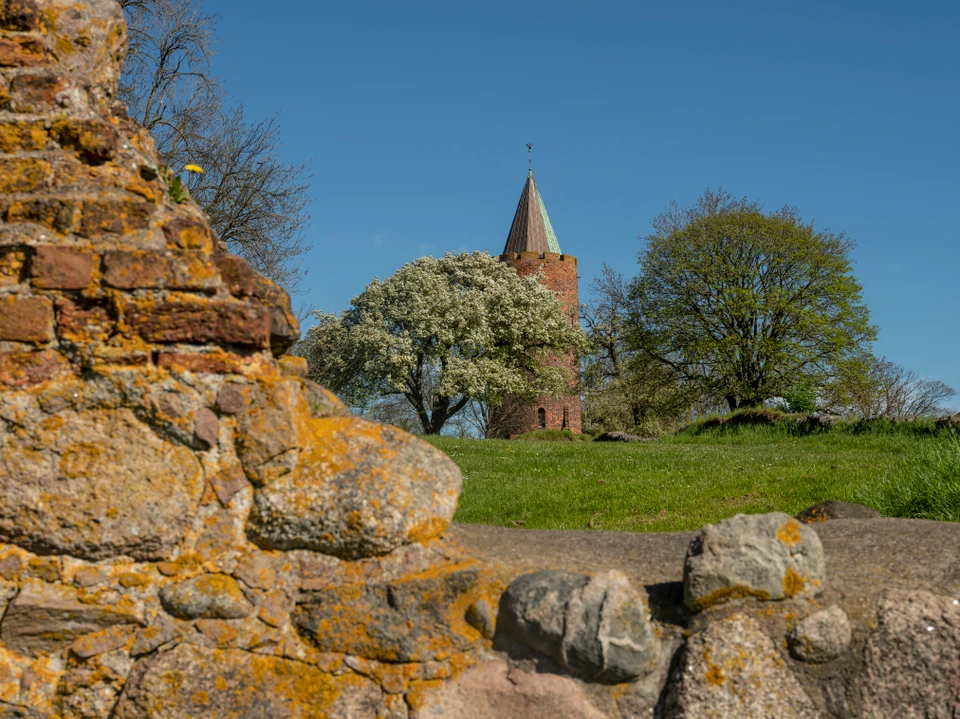
Goosetower Vordingborg City

Socio-Economics Characteristics

The municipality has a mixed population across towns and rural communities, with Danish as the primary language. It has a strong cultural heritage, including prehistoric monuments, medieval churches and historic towns such as Stege.

The local economy builds on traditional sectors like agriculture and fisheries alongside tourism and small businesses. There is a growing focus on sustainable development, nature-based tourism and local engagement, often linked to the biosphere reserve and its initiatives.

Key Data

Country: Denmark
Area: Approx. 621 km²
Population: Approx. 45,000 inhabitants
Largest city: Vordingborg